
Key Takeaways
- The Naples median closed price was $575,000 in August 2026, per the Naples Area Board of REALTORS, and the purchase price is only the start of the annual bill.
- A second home does not qualify for the Florida homestead exemption or the Save Our Homes 3 percent assessment cap, so its property taxes run higher than on a primary residence and keep pace with market value.
- Florida homeowners insurance averaged about $8,292 a year in 2025, and insurers commonly charge 10 to 30 percent more for a second home that sits vacant part of the year.
- Naples condo association fees commonly run in the $200 to $900 a month range, with waterfront and luxury buildings well above that, while single-family HOA fees often run $300 to $500 a month; some newer communities also carry separate CDD assessments.
- Budget for maintenance, utilities, and the hidden costs of an empty house, and confirm every fee for the exact property you are considering before you make an offer.
What does a second home in Naples really cost every year? Beyond the mortgage, an owner typically pays property taxes without the homestead exemption, Florida homeowners insurance that runs among the highest in the country, HOA or condo association fees, and the upkeep of a house that sits empty part of the year. For a home near the Naples median price, those recurring costs can realistically add up to well into five figures before a single mortgage payment. This guide breaks down each expense with sourced numbers so you can budget honestly before you make an offer.
The short version: a second home costs more than a primary residence because of how Florida treats it on taxes and insurance. None of that should scare you off, but it should shape your budget.
The Price of the House Is Only the First Number
Start with the purchase. In the Naples area, the median closed price was $575,000 in August 2026, down 1.7 percent from a year earlier, per the Naples Area Board of REALTORS. On top of that price, buyers in Collier County customarily pay for the owner's title insurance policy, and closing brings property tax prorations, an initial homeowners insurance premium, and often lender costs, which is why the closing costs guide for Naples buyers is worth reading before you budget. The Naples home buying guide walks through the whole process from pre-approval to the final walkthrough.
But the purchase happens once. The costs that decide whether a second home fits your budget are the ones that recur every year: property taxes, insurance, association fees, and maintenance.
Property Taxes: No Homestead Exemption, No Save Our Homes Cap
The single biggest difference between a primary residence and a second home in Florida is property tax. Florida's homestead exemption applies only to a permanent primary residence, and in 2026 it removes the first $25,000 of assessed value from all taxes plus a second indexed exemption worth roughly $26,000 more for non-school taxes. A second home gets none of that, so it is taxed on more of its value from day one.
The other difference compounds over time. A homesteaded primary residence is protected by Save Our Homes, which caps the annual increase in assessed value at the lower of 3 percent or inflation, so a long-time owner's tax bill stays low while the market value climbs. A second home does not qualify, so its assessed value follows the market up, capped only by the 10 percent annual limit for non-homesteaded property, and it resets to full market value the year after a sale.
The rate itself depends on where the home sits. Collier County has no single millage rate: the bill is the sum of county, school board, city, and special district levies. Combined rates generally land around 11 mills in unincorporated Collier County and around 9 mills inside Naples city limits, meaning roughly $9 to $11 per $1,000 of taxable value. The Collier County Property Appraiser publishes the millage and tax estimate for any specific property, and the Florida Department of Revenue explains the homestead and Save Our Homes rules in detail. On a $575,000 home, a tax bill in the $5,000 to $7,000 range is a reasonable planning number, but always pull the exact figure for the address.

Homeowners Insurance: The Cost That Moves the Most
Florida is the most expensive state in the country for homeowners insurance. According to Insurify's 2026 report, the state's average annual homeowners premium hit about $8,292 in 2025, up 18 percent from the year before, and was projected to reach roughly $8,458 by the end of 2026, about 2.8 times the national average. That is a statewide average: Naples waterfront and older homes often run well above it, while a modest inland condo in a newer building can come in below it.
Second homes cost even more to insure. Insurers treat a property that sits vacant part of the year as a higher risk for burglary, vandalism, and undetected water damage, and they price accordingly. ValuePenguin's analysis of carrier filings found surcharges in the 10 to 30 percent range, so on a Florida policy averaging about $8,292 that is roughly $800 to $2,500 more a year, before you account for flood insurance on properties in a flood zone, which is common near Naples waterways and the Gulf. Wind and flood coverage should be confirmed line by line, because the differences between policies are where owners get surprised.
HOA and Condo Association Fees in Naples
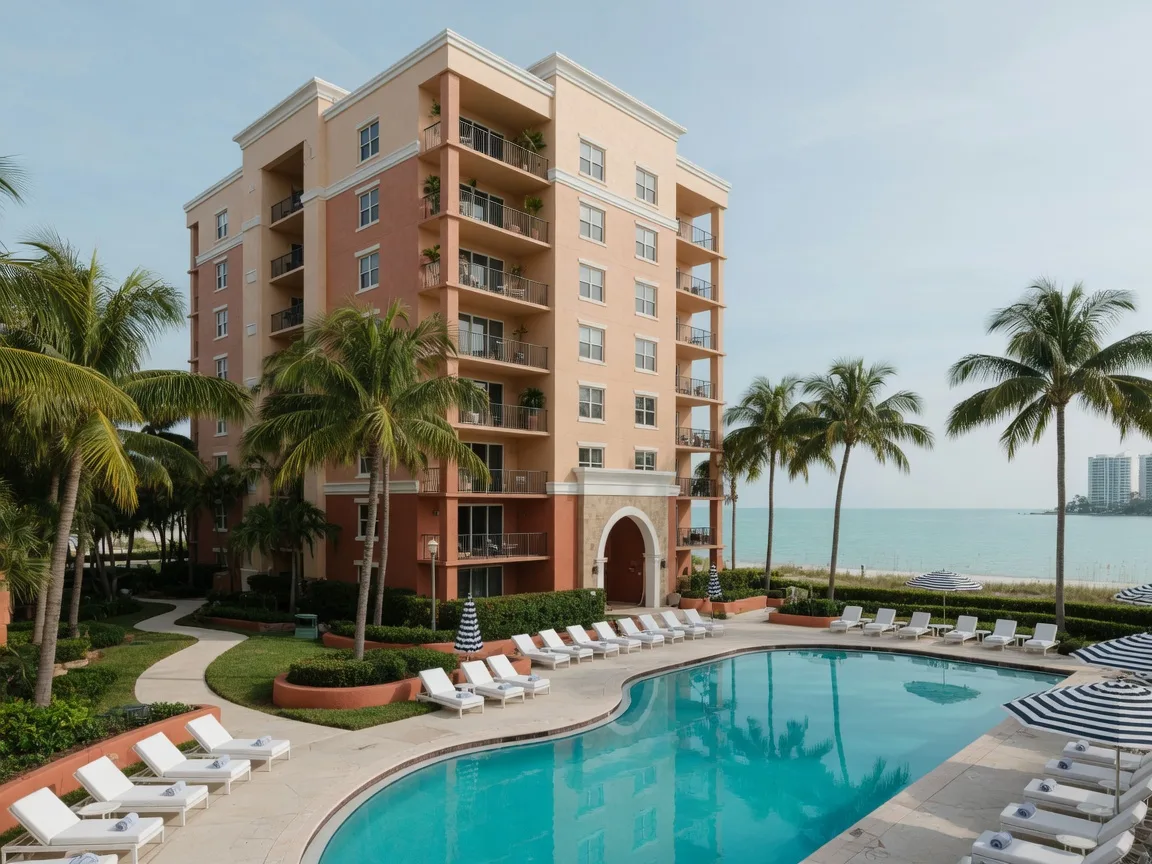
For most Naples second homes, the association is the price of the lifestyle. In gated single-family communities, HOA fees commonly run $300 to $500 a month and cover gates, common-area landscaping, and amenities; golf and resort communities climb higher, sometimes into the $800 to $1,500 a month range. Condo and townhome association fees run higher because they cover more, typically $200 to $900 a month and in some buildings well above $1,000, including the building's master insurance policy, exterior maintenance, common areas, and reserves. Data sources put the median HOA payment in the Naples-Marco Island metro around $700 a month, but the number that matters is the one for the exact unit, so ask for the most recent financials and any pending special assessments.
Some newer Naples communities also carry a Community Development District assessment, a separate annual charge that repays bonds for the roads, water, and utilities the developer installed. CDD amounts vary widely, from a few hundred dollars a year in communities where bonds are paid off to several thousand where construction bonds are still active. It is a recurring cost that is easy to miss in a listing, and it belongs in your budget. The Naples condo buying guide covers how to read association financials and what the monthly dues actually cover.
Maintenance, Utilities, and the Real Cost of an Empty House
The quiet costs are the ones owners forget to plan for. A single-family home needs lawn care, pest control, irrigation, and an annual inspection; a pool has chemicals and pump upkeep; a home on the water has seawalls, docks, and screens that take a beating from salt air. Even a locked-up condo needs the air conditioning run, humidity managed, and windows checked after storms. Many seasonal owners budget a few thousand dollars a year for management, whether that means a property manager, a trusted local handyman, or the neighbor who checks on the place, and in a hurricane-prone market, shutters and pre-storm preparation are part of the routine.
Utilities and services run year-round even when you do not: electric bills to keep the house cool and dry, water and sewer, internet and alarm monitoring, and an insurance claims history that punishes a property where a small leak goes unnoticed for weeks. For many owners, a low-maintenance condo in a building with strong management removes most of this stress, which is exactly why condos are the most common choice for Naples second homes. The tradeoff between a house and a condo is really a tradeoff between control and convenience, one the guide for seasonal residents explores in detail.

Renting vs. Owning a Second Home in Naples
If you will use a Naples property only a few weeks a year, it is fair to ask whether owning beats renting. In-season rentals in Naples are expensive, and they rise every winter, so a family that visits for a month or more each season can justify ownership, especially if they rent the home out the rest of the year to offset costs. But rental income brings its own layers, from the Florida transient rental tax and local tourist taxes to condo rules that may limit short-term rentals. Run both scenarios with a realistic estimate of occupancy and let the numbers decide. The rent vs. buy guide for Naples lays out the comparison, and much of it applies to second homes too.
How to Budget Honestly Before You Make an Offer
A realistic second home budget in Naples stacks five layers: the mortgage payment, property taxes at the full non-homesteaded rate, insurance including flood where it applies, the association and any CDD assessment, and a maintenance and management cushion. Add them up before you fall in love with a specific home, because the mix changes everything: a condo with a $900 monthly fee and a house with a $350 fee are very different annual obligations even at the same price. For buyers weighing Naples against other markets, the Naples vs. Marco Island comparison covers how insurance, taxes, and rental rules differ between the area's two most popular second home markets.
The practical step is to get the real numbers for a specific property before making an offer: the exact tax estimate from the Collier County Property Appraiser, a current insurance quote from a Florida-licensed carrier for that address, the association's most recent financials and reserves, and any CDD assessment on the tax bill. A local agent who works with second home buyers can pull these and walk you through them, which is where the value of working with someone local shows up. If you are starting from outside the United States, the international buyers guide covers the tax, financing, and closing differences when the second home is bought from abroad.
What This Means for Your Decision
Owning a second home in Naples is rarely cheap, but the costs are predictable if you plan for them. The buyers who enjoy it most went in with a full picture of taxes, insurance, association fees, and maintenance, and chose a home type that matches how they want to use it. A condo in a managed building suits owners who want to lock the door and leave; a single-family home in a gated community suits owners who want space and a garden; a waterfront home suits owners who want the view and the dock and are ready for the premium. The Naples neighborhood guide helps you match the community to the way you plan to use the home.
Catalina Quintero is a REALTOR with The Miranda Group at Premiere Plus Realty, Co., and has lived in Southwest Florida for 25 years. She represents buyers and sellers in Naples, Bonita Springs, Estero, Fort Myers, and Marco Island in English and Spanish, and she works regularly with second home, seasonal, and international buyers, generally from about $500,000 to over $2 million. She pulls the tax, insurance, and association numbers for every property she shows so buyers decide on the full cost of ownership, not just the list price. Her own move from Colombia to build a life in the United States gives her a firsthand feel for what it means to buy a home in a place you are still learning to call your own.
Sources
The figures in this guide draw on these sources, which publish the underlying data:
Thinking About a Move to Naples? Start With a Conversation.
Contact Catalina Quintero at (239) 206-6909 or visit catalina-quintero.huzi.site/contact/ to schedule a consultation.