
Key Takeaways
- Buying a condo in Naples offers lower maintenance living, access to resort-style amenities, and often a prime location near the beach, golf, or downtown, but requires careful review of HOA fees, rules, and financial health.
- HOA fees in Naples condos vary widely from around $200 to over $2,000 per month depending on the community. A Realtor.com market report using 2025 data put the median monthly HOA fee at approximately $711 per month across Naples-Marco Island area listings with HOA fees; medians for condos alone vary by community, and some communities have seen notable year over year increases.
- Recent local data shows the Naples condo market currently favoring buyers, with roughly 9.8 months of condo supply and average days on market of 83 to 112 depending on price range and location. Check the latest Naples Area Board of Realtors statistics for current figures.
- Popular condo communities span North Naples, Pelican Bay, Park Shore, Bonita Springs, and Estero, each offering different price points, amenities, and lifestyle profiles worth understanding before you buy.
- Working with a Naples REALTOR who understands condo documents, association finances, and community nuances saves time, money, and stress in the buying process.
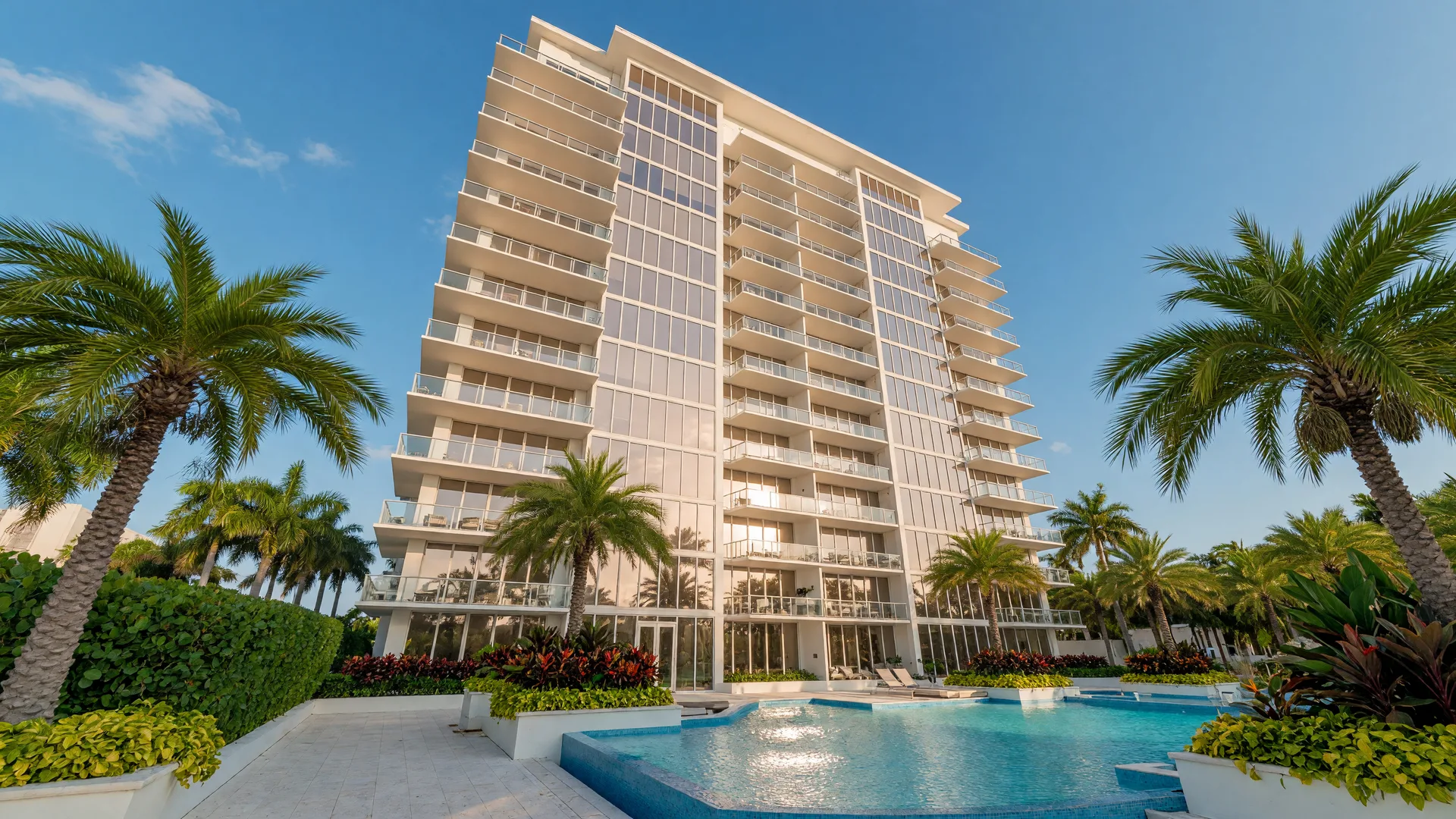
Buying a condo in Naples, Florida is one of the most popular ways to own a home in Southwest Florida. From young professionals and relocating families to retirees downsizing and international buyers looking for a second home, condos offer a lifestyle that single family homes often cannot match: lower maintenance, resort amenities, and prime locations in some of the most desirable neighborhoods in the region.
But a condo is not just a smaller version of a house. It is a shared ownership structure with an association, monthly fees, rules, and a financial ecosystem that works differently from what most buyers are used to. Understanding the full picture before you start looking makes the difference between a purchase you love and one you regret.
Why Buy a Condo in Naples?
The appeal of condo living in Naples comes down to three things: location, lifestyle, and convenience.
Many of the best locations in Naples, especially along the Gulf of Mexico, along Vanderbilt Beach Road, and near downtown Fifth Avenue South, are developed as condominium communities. A condo often puts you closer to the water, the shopping, the dining, and the cultural attractions than a comparably priced single family home. If being within walking distance of the beach or downtown matters to you, a condo is likely your best option.
Condo communities also tend to come with amenities that would be expensive to maintain on your own: swimming pools, fitness centers, tennis courts, clubhouses, and social events. Many communities in Pelican Bay, Park Shore, and along the coast offer beach access through private beach clubs or tram services, something you would pay a significant premium for in a single family home.
And then there is the convenience factor. Your landscaping, exterior maintenance, roof, and often your water, trash, and cable are handled by the association. For buyers who travel frequently, split time between homes, or simply do not want to spend weekends on yard work, condo living is a natural fit. This is one reason condos are especially popular among relocating professionals, international buyers, and downsizers in Naples.

Understanding HOA Fees in Naples Condos
This is the number one question buyers ask about Naples condos, and for good reason. HOA fees are the single biggest ongoing cost difference between condo living and owning a single family home. A Realtor.com market report using 2025 data put the median monthly HOA fee across Naples-Marco Island area listings with HOA fees at approximately $711 per month; medians for condos alone vary by community. But that number covers everything from a basic two-bedroom condo in an older building to a luxury penthouse with full concierge service. Fees in Naples range from roughly $200 per month in some communities to well over $2,000 per month in beachfront towers.
HOA fees have been rising across Naples. Some communities have seen notable year over year increases driven by rising insurance costs, maintenance expenses, and reserve funding requirements. The size of the increase varies by community. Florida's new condominium safety laws, enacted after the Champlain Towers collapse in Surfside, have added inspection and reserve requirements that are pushing fees higher in older buildings. If you are considering a condo built before 2000, it is essential to review the association's reserve study and recent financial statements.
A good rule of thumb: the lower the HOA fee, the more carefully you should look at what it covers and whether the association has adequate reserves. A low fee on the surface can come with a special assessment later when the roof needs replacement or the pool needs resurfacing. On the other hand, a higher fee in a well-managed community often means you are paying for real services and a well-funded reserve, so you are less likely to face unexpected costs. A higher fee does not by itself prove the association is financially healthy; it can reflect expensive operations, insurance, debt, or repairs. Review the budget, the reserve study, and the financial statements.
The Naples home buying guide covers the full buying process, including how to evaluate HOA documents and association finances before making an offer.
Condo vs. House in Naples: Which Is Right for You?
The choice between a condo and a single family home in Naples depends on your lifestyle, your budget, and how you want to spend your time. Here is how they compare across the factors that matter most:
Maintenance and Upkeep
A condo means the association handles exterior maintenance, landscaping, and common areas. A single family home means you own and maintain everything yourself, from the roof to the sprinkler system. If you plan to live in Naples full time and have the energy and budget for home maintenance, a house gives you more control. If you want to travel or simply prefer less upkeep, a condo is likely the better fit.
Privacy and Space
A house offers more privacy. No shared walls, no neighbors above or below you, your own yard and pool. A condo means shared walls, shared amenities, and community rules about noise, pets, and rentals. For buyers who value quiet and space above all else, a house wins. For buyers who value location and amenities over total privacy, a condo is often the smarter choice.
Cost Comparison
A commonly cited range for condo prices in Naples is roughly $425,000 to $550,000 depending on the community and time of year, though any median depends on the dataset and period. Single family homes tend to start higher and vary widely by neighborhood. The cost per square foot of a condo is often higher than a house in the same area, but the total purchase price is usually lower. When you factor in HOA fees, insurance, and utilities, the monthly cost of condo living can be comparable to or lower than a house in some communities, especially where the HOA covers items you would otherwise pay for separately. Some single-family communities also provide maintenance through an association, and condo responsibilities depend on the governing documents, so compare the specific properties you are considering.
Best Condo Communities in Naples and Southwest Florida
Naples and the surrounding area have dozens of condo communities, each with its own character, price point, and amenities. Here are some of the most popular ones by location and lifestyle:
Pelican Bay
Pelican Bay is one of the most sought after condo communities in Naples. Located along the Gulf of Mexico in North Naples, it offers beach access through a private tram, tennis courts, fitness centers, and a clubhouse. Condos here range from more attainable two-bedroom units up to luxury penthouses over $2 million; current pricing depends on the specific listing. Pelican Bay is an open master-planned community that includes some separately gated neighborhoods and buildings. It is well maintained and popular with both full time residents and seasonal owners. Pelican Bay is a common choice for physicians relocating to Naples who want a low-maintenance home near the beach.
Park Shore
Park Shore is a waterfront neighborhood in central Naples with a mix of high-rise and low-rise condos. It is known for its location near the Naples sailing community, Venetian Village shopping center, and the Gulf of Mexico. Condos here tend to be priced higher, reflecting the prime location. Park Shore appeals to buyers who want to be close to everything Naples offers without the maintenance of a house.
North Naples (Vanderbilt Beach Area)
The Vanderbilt Beach Road corridor in North Naples has a concentration of condos in a range of price points, from older two-story buildings to new luxury towers. This area offers proximity to Mercato, the upscale shopping and dining center, and the beach. A mix of older two-story buildings and new luxury towers makes up this corridor. The Naples neighborhood guide has more detail on the specific communities and what each offers.
Bonita Springs and Estero
North of Naples, between Naples and Fort Myers, Bonita Springs and Estero offer newer condo communities, often at different price points than central Naples. Pelican Landing is one of the larger condo and villa communities in the area; its golf clubs require separate private memberships. Areas like Pelican Landing and The Residences at Coconut Point provide condo living with pools, fitness centers, and walking trails. Golf access is a separate private membership where available. Cost per square foot can be lower than in central Naples depending on the community and era of construction, so compare similar properties for an accurate picture. For first-time condo buyers or those looking to stretch their budget further, this is a strong option. You can explore these areas on the Bonita Springs area page and Estero area page.
What to Look for in Condo Documents
Before you buy a condo in Naples, you need to review the association's documents. Every buyer should review these at minimum:
- The declaration of condominium. This is the governing document that defines ownership rights, common areas, unit boundaries, and the association's powers. It lays out the legal framework of the community.
- The association's bylaws and rules. These cover everything from pet policies and rental restrictions to noise rules and parking. If you plan to rent out your condo, pay close attention to any minimum rental period requirements or caps on the number of rentals allowed.
- Financial statements, the reserve study, and the current budget. These reveal whether the association has adequate reserves for future repairs and whether the current fee level covers day to day operations. A well-funded association is a sign of a healthy community. An underfunded one can mean special assessments down the road.
- Approved and proposed special assessments and association insurance. Special assessments show what owners have recently been asked to pay and what may be coming. The association's insurance policy shows what is covered in the common areas and what may fall to you.
- Milestone inspection reports, planned repairs, and the Structural Integrity Reserve Study. These documents reveal the physical condition of the building and how major repairs are funded. Florida's condominium safety requirements apply to buildings of any age, not only buildings constructed before 2000, so review them regardless of when the building was built.
- The most recent board meeting minutes. Meeting minutes often reveal issues that may not be obvious from the financial statements: pending litigation, planned assessments, disputes between owners, or maintenance problems.
Your agent and real estate attorney will help you review these documents. Do not skip this step. It is one of the most important protections a condo buyer has.
Association insurance covers common areas but does not replace your own coverage. Review the master policy alongside a unit-owner HO-6 policy, including coverage gaps and loss-assessment protection.
A mortgage preapproval does not guarantee a specific condominium project qualifies for financing; project condition, insurance, and finances can affect eligibility, so confirm with your lender.
The Current Naples Condo Market
As of mid-2026, the Naples condo market is in what real estate professionals call a buyer's market. According to the City of Naples and local MLS data, condo inventory has increased significantly compared to the last few years, giving buyers more choices and more negotiating power. Recent local market data has shown roughly 9.8 months of condo supply in the Naples area. Check the latest Naples Area Board of Realtors statistics for current figures. A balanced market is typically around 6 months.
Recent data has shown average days on market for condos ranging from 83 to 112 days depending on price range and location; confirm current figures from the latest local market report. Luxury condos and units in the highest demand neighborhoods tend to sell faster. Units that need updating or are priced above comparable sales tend to sit longer. This means that well-priced condos in good condition in desirable communities are still moving, while overpriced or dated units require more patience and price adjustments.
If you are considering buying a condo in Naples, this market environment works in your favor. You have time to research communities, compare options, and make a thoughtful decision rather than feeling rushed into an offer. Working with an agent who understands the Naples condo market and the nuances of each community is the best way to find the right property at the right price.
Thinking About Buying a Condo in Naples?
Catalina Quintero is a bilingual REALTOR with The Miranda Group who specializes in helping buyers find the right condo in Naples, Bonita Springs, Estero, Marco Island, and Fort Myers. She understands the documents, the communities, and the market. The first conversation is always about your goals.
Thinking About a Move to Naples? Start With a Conversation. Contact Catalina Quintero at (239) 206-6909 or visit catalina-quintero.huzi.site/contact/ to schedule a consultation.